Why write about northern Appalachia? What about its stories, characters, culture, questions, and landscapes inspire you?
I grew up in central Pennsylvania, so the landscape is the complicated backdrop of my childhood, which was filled with a complex mix of relishing Bloomsburg Fair confections, playing along the Susquehanna River banks on scorching summer days, driving winding country back roads with friends, while simultaneously enduring unspeakable violence at the hands of my father and men in our little hamlet.
Despite bolting from the mountains (and my family) the minute I turned 18, I felt the pull of northern Appalachia in my heart and bones no matter how far I fled. The irrefutable mix of hearty, resilient souls, Pennsylvania Dutch cooking, and quiet, country lanes is an unmatched combination that continues to call me home. I am consistently drawn to simple pleasures in a place defined by survival and self-reliance; a few hours at the local 1920’s amusement park that has blunted the monotony and backbreaking work of factory, mining, or domestic labor for generations of my family. These places also provided a respite for the violence and exploitation I (and generations of children in my family) endured in our modest homes.
One would think I would never want to return to this place, just as I’d reasoned growing up, but I am unable to find (and enjoy) the same joyful, mundane moments in our ever-expanding, rat race world. Losing myself in Toni Morrison’s “Beloved” while cradled in the same library window seat where I devoured “Are You There, God? It’s Me Margeret” in middle school, or admiring the architecture on the very main street where my grandparents met in the 1940’s, reminds me of where I come from, and where I will always return.
What is the place of northern Appalachia writing in our country’s broader landscape of literature?
While popular culture lauds “Hillbilly Elegy” as the region-defining book, for me, bell hook’s “Belonging: A Culture of Place” and “Appalachian Elegy” (the latter of which I am convinced inspired Vance’s title) are quintessential Northern Appalachia works.
Like my own life, hooks described how she navigated returning to her Kentucky roots while excelling in academic communities far from home. All the while, she was pulled back to the mountains, where she eventually returned for good towards the end of her life. She understood the dehumanizing ways in which she, as a Black woman, was defined in Kentucky mountain life where a segment of the population continued to glorify the Confederate flag. Yet, she acknowledged those hills as her “fate,” where only nature and her kin – not class or money – mattered. Similarly, Frank X. Walker’s “Affrilachia” poetry compresses the region’s scalding hardships and racialized heritage – like coal in the mountains – into honest and true meaning within the region’s canonical texts. Both authors transform objectification into words that embody the lyrical beauty, rich meaning, and collective resilience that define northern Appalachian resistance, pride, and literature.
How did you come to realize you were a writer?
I’ve always loved reading, and my first library card was my first passport. As a kid, I couldn’t believe I was not only allowed, but encouraged by teachers and librarians, to bring stacks and stacks of books home from my school and town libraries for free. The only books in our home were a set of bright orange encyclopedias my mother earned by spending a specific amount at the A&P each week.
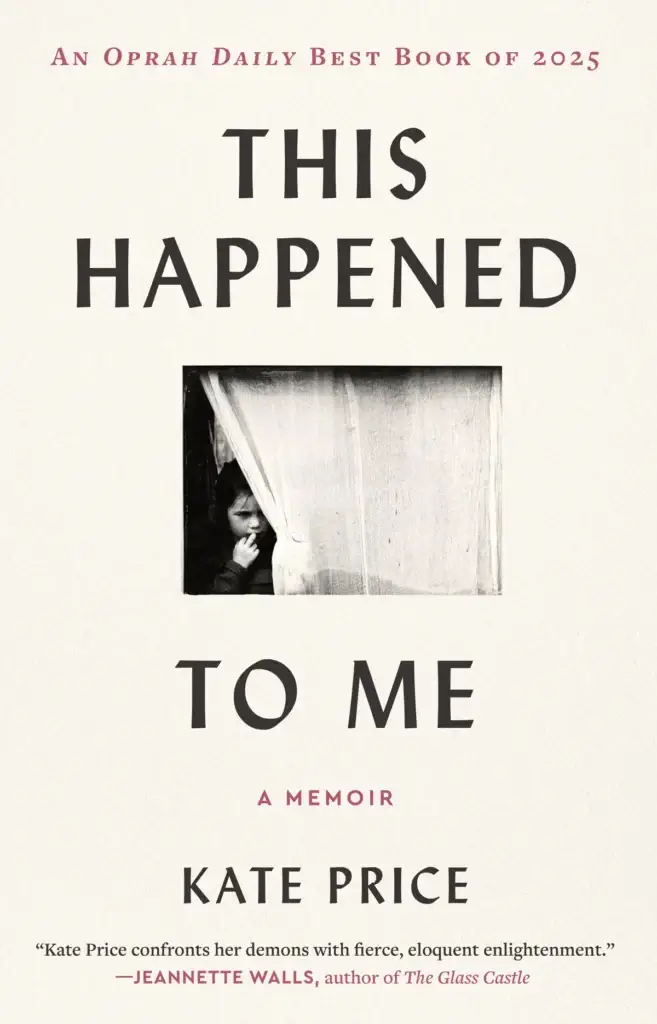
I felt like a writer for the first time third grade when my best friend and I created “Invasion of the Crayon People” – I wrote, she illustrated – as part of a school program that invited students to produce books that where then put in circulation. I stood a little taller the first time I spotted our book in the stacks: My words were in a real library. The same sense of pride jolts down my spine whenever I see my memoir in a library or bookstore; I have always been a writer and I never tire of seeing my work “in the wild.”
What’s helped you succeed as a writer?
Returning to Appalachia to write much of my memoir was essential. Sitting in the places of my childhood – the library, fairgrounds, Susquehanna River banks – allowed me to describe the sights and smells in real time, rather than recalling them from memory. Even writing about the most horrific episodes of violence I endured as a child was tempered by the calm that fills my body when listening to the river water lapping on rocks, the warmth of mountain sunrises on my face, licking my salty fingertips after devouring fistfuls of Gross’s French fries, and the silent, knowing presence of lifelong friends while sipping steaming cups of tea. Being present with the ubiquitous contradictions of peace and horror that are encoded in my DNA from generations of family who never left northern Appalachia allows me to share this divine, damning place with the rest of the world.