Jessica Cory
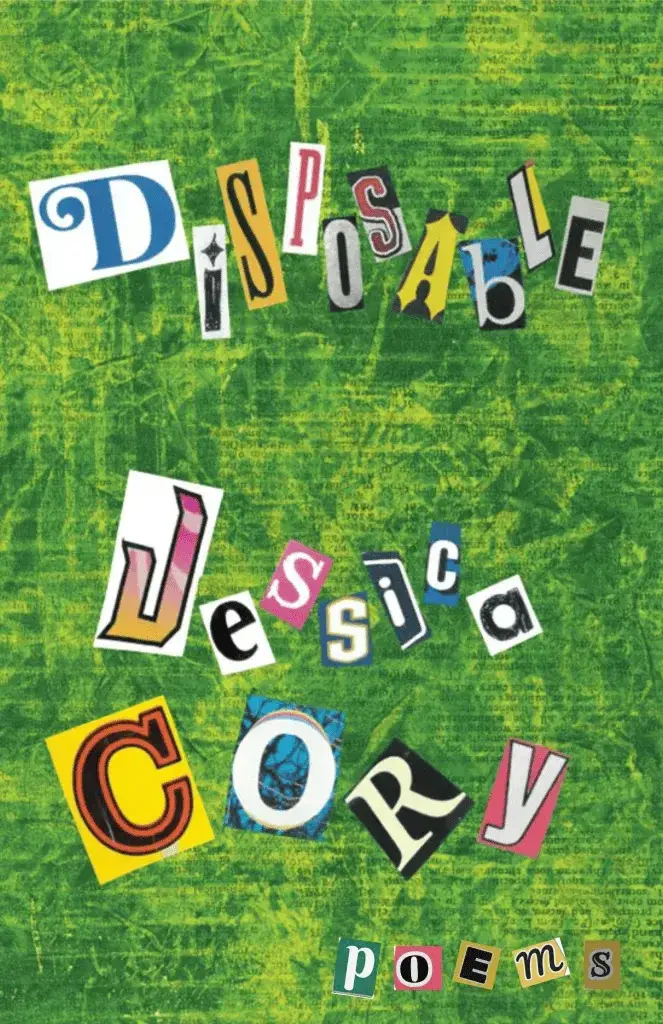
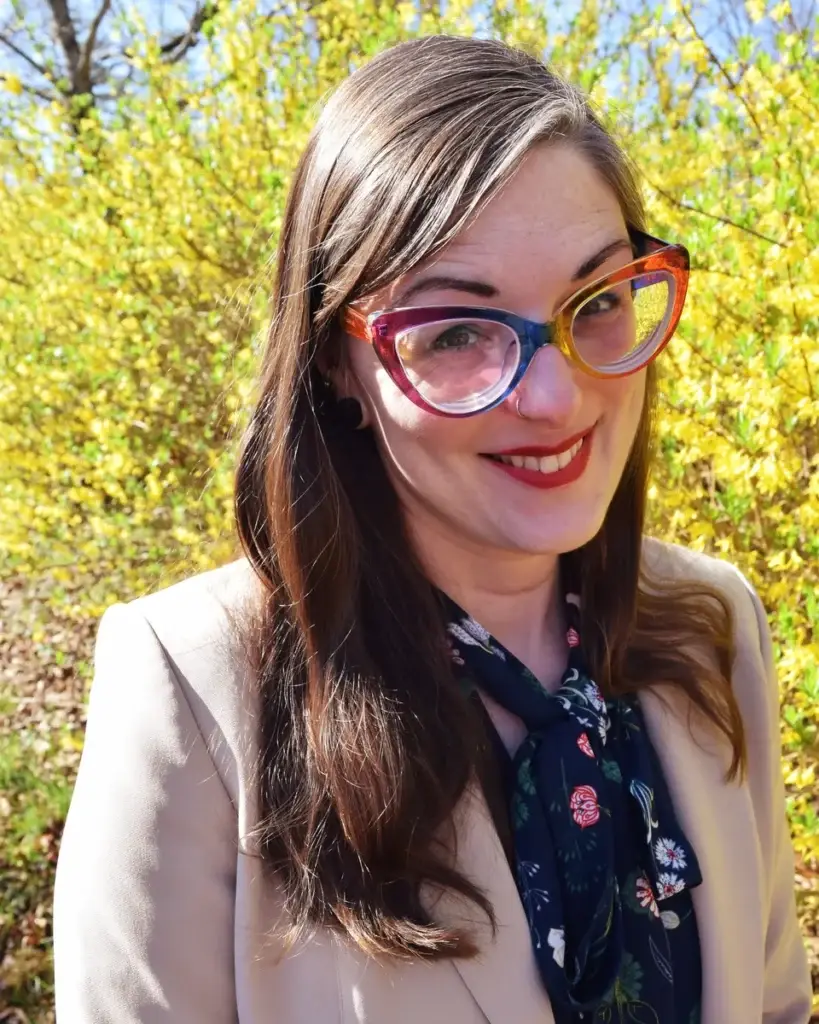
Jessica Cory is a settler scholar and the editor of Appalachian Journal: A Regional Studies Review, published since 1972 at Appalachian State University. Her chapbook, Disposable, was released in 2026 with Sheila-Na-Gig Editions. She holds a PhD in Native American, African American, and environmental literatures from the University of North Carolina at Greensboro and is also the editor of Mountains Piled upon Mountains: Appalachian Nature Writing in the Anthropocene (WVU Press, 2019) and the co-editor (with Laura Wright) of Appalachian Ecocriticism and the Paradox of Place (UGA Press, 2023). Her creative and scholarly writings have been published in the North Carolina Literary Review, North Dakota Quarterly, Northern Appalachia Review, and other fine publications. Originally from southeastern Ohio, she currently lives in western North Carolina.
Why write about northern Appalachia? What about its stories, characters, culture, questions, and landscapes inspire you?
I write about northern Appalachia because there weren’t enough stories of the region when I was growing up in southern Ohio and still aren’t. I write about northern Appalachia because it’s so often overlooked, even in the field of Appalachian studies. Because so many of us are tired of explaining that we’re not just from “the North” or “the Midwest” or “the Rust Belt,” even if there’s some overlap; these labels just don’t capture the nuances of northern Appalachia. It’s hard to explain to people who don’t fully grasp the geography how the Hocking Hills’ waterfalls look when they’re frozen in February or how tornadoes skip and touch down across the landscape like a game of chess rather than just sweeping across everything in their paths. Writing about northern Appalachia is describing what “buckeyes” are (the candy, not the nut), about pawpaws and Mothman, about how the sun looks in winter setting across hundreds of fallow acres.
What is the place of northern Appalachia writing in our country’s broader landscape of literature?
Northern Appalachian literature really brings together disparate elements that appear in other regional literatures: the wide open spaces of Western US literature, the harsh winters associated with New England, the agricultural landscapes often associated with the Midwest, along with a healthy dash of Southern foodways. In this way, northern Appalachian literature really serves as a microcosm of American literature more broadly and folks would do well to read more of it.
How did you come to realize you were a writer?
I loved to read as a kid and one summer when I was around five or so, my mom sat me down at her electric Brother typewriter and told me to write poems (as a parent now myself, I’m sure it was to get me out of her hair). They were awful, of course, but it was empowering to know that I could write poems myself rather than just reading them. When I was in middle school, one of my poems was published in a small publication by the Ross County Public Library and I learned how it felt to have other people read my writing. All of that to say, it’s been a process. I’m just thankful I have thick skin because writing comes with a lot of rejection!
What’s helped you succeed as a writer?
First, I wonder about what counts as “succeeding,” because there are so many definitions of success depending on one’s goals. I will say that having thick skin, like I mentioned earlier, is imperative because you’re going to face ample rejection and you have to learn from it as well as not take it personally. Also, being open to suggestions about my writing has helped; you’ve got to pick the hills you want to die on and many of them aren’t worth it.