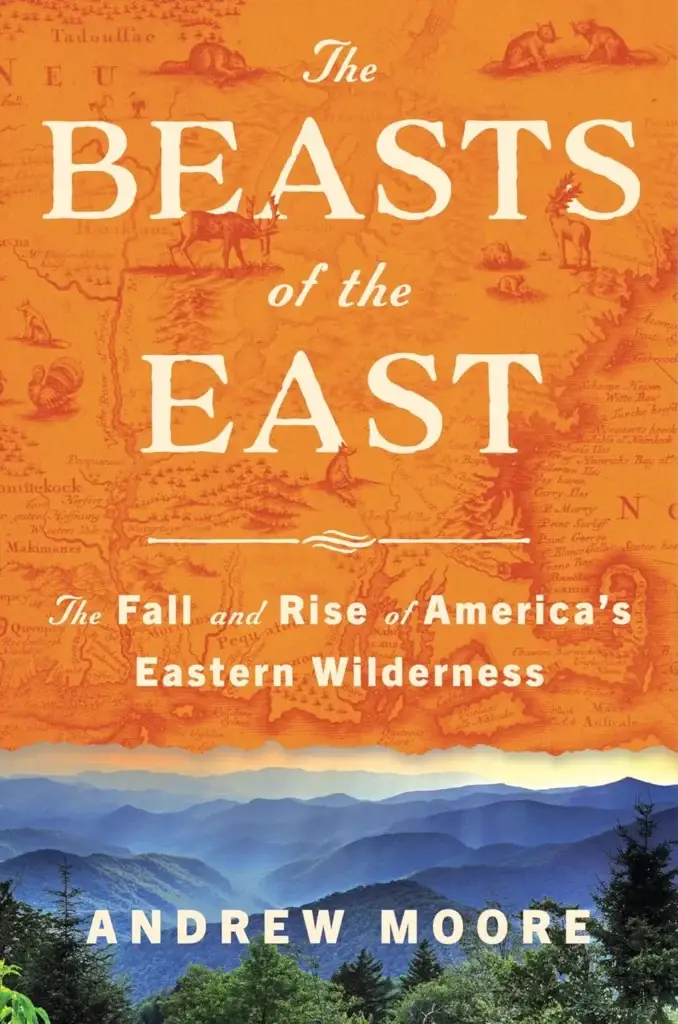
The Beasts of the East: The Fall and Rise of America’s Eastern Wilderness

Andrew Moore

Before skyscrapers and smokestacks rose across the eastern U.S., elk, bison, wolves, and cougars roamed. Typically imagined as icons of the West, these large mammals are in fact native to what was once a kind of Eden—towering forests in the Northeast, rolling prairies in the Midwest, and cypress swamps in the Deep South. But, in mere decades, industrialization and unregulated hunting brought these emblems of the East to the precipice of extinction; by the 1950s, squirrels were one of the few wild mammals an easterner was likely to encounter.

Now, even as the climate and biodiversity crises loom, eastern wildlife are staging an unlikely comeback. Herds of bison graze on Illinois prairies, red wolves lurk in North Carolina’s coastal marshes, and abandoned coal mines in Kentucky are now home to thousands of elk. Such rewilding promises to restore balance to eastern ecosystems and return one of the most biodiverse regions in the world to its former luster—but not without controversy.

In The Beasts of the East, we follow environmental writer and James Beard Award finalist Andrew Moore as he meets conservationists, hunters, biologists, and nature lovers as they confront herculean challenges: How can we enable wildlife migration in the midst of suburban sprawl? Are these success stories viable in the long-term? When humans and wildlife come in close contact, how do we define wilderness?

WCoNA Status:
2027 Longlist
Genre:

Full Longlist

About the Authors
Andrew Moore
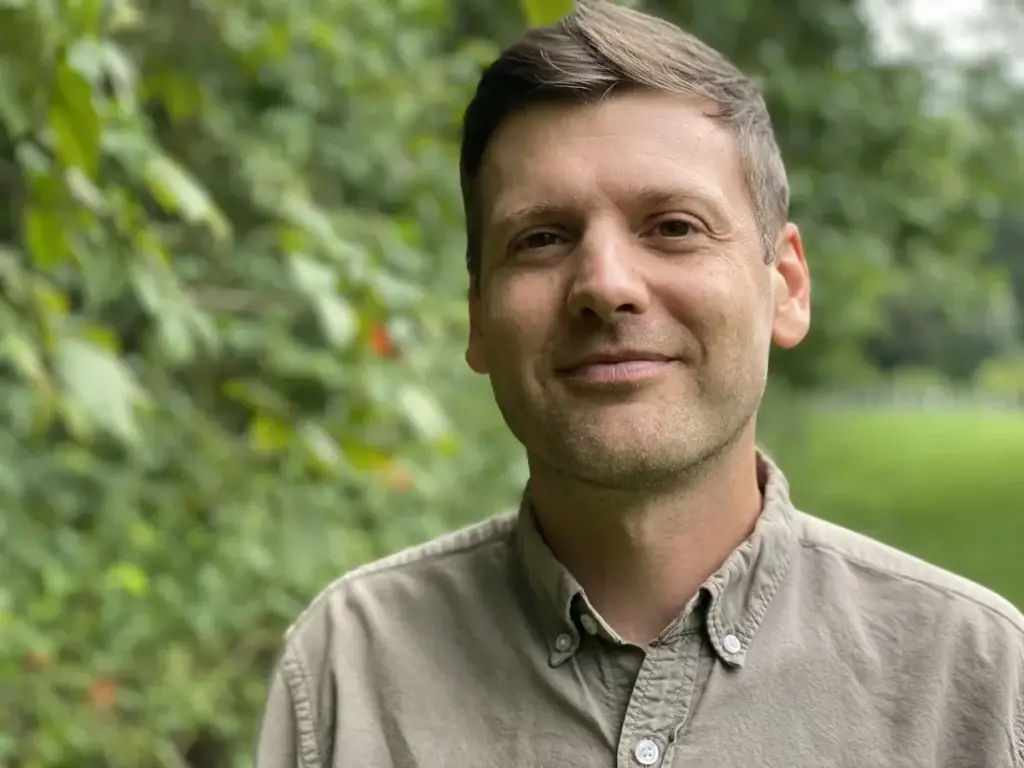
Andrew Moore is the author of The Beasts of the East: The Fall and Rise of America’s Eastern Wilderness and Pawpaw: In Search of America’s Forgotten Fruit, which was a James Beard Foundation Book Award finalist in Writing and Literature. Moore has been featured on PBS News Hour and in The Atlantic, The New York Times, Saveur, The Washington Post, and The Wall Street Journal. His writing has appeared in The Washington Post, the Pittsburgh Post-Gazette, The Daily Yonder, and The Allegheny Front. He lives in Pittsburgh.

Why write about northern Appalachia? What about its stories, characters, culture, questions, and landscapes inspire you?

Northcentral Pennsylvania, the place we’ve come to know as the Pennsylvania Wilds, is a vast region of forests and mountains, valleys and streams—and it is among the wildest landscapes that remain in eastern North America. When we go there, when we get to know these places, we come to love them—and we come to understand that the species that occur there, their assemblages, histories and expression are unique to this place, and they are not replicated exactly like this anywhere else in the world. Every corner of the earth is sacred, and this one is ours.

What is the place of northern Appalachia writing in our country’s broader landscape of literature?

The writing of this place, like the biological life cradled here, is sculpted and wrought by the land. We need these stories to appreciate the landscape and its people—and to understand America.

How did you come to realize you were a writer?

I’m not sure there was ever a single moment where I had that absolute certainty. I think I just continued to be curious about the world, and so I have always had a new story to tell.


What’s helped you succeed as a writer?

If I have succeeded as writer, it is largely because I’ve stuck with it—I’ve remained committed to the work, day after day, year after year. And I’ve done that because of my enchantment with the natural world—and my appreciation for the people who have dedicated their lives to celebrating and conserving it