

A volunteer board from across the region
The People Behind WCoNA
WCoNA is led by a volunteer board of writers, editors, and teachers who live and work across northern Appalachia. PJ Piccirillo founded the conference in 2018; the board that grew around it now operates the legacy and regional conferences, runs the Book of the Year and Outstanding Contribution awards, and builds a canon, not as a job, but because this region’s literature is their own. Between them they have presented across the region, edited journals and imprints, and written the books. What they share is a conviction that the writing of northern Appalachia deserves to be gathered, honored, and read as a body of its own. Select any name below to read more, in their own words.
Kelly Copley
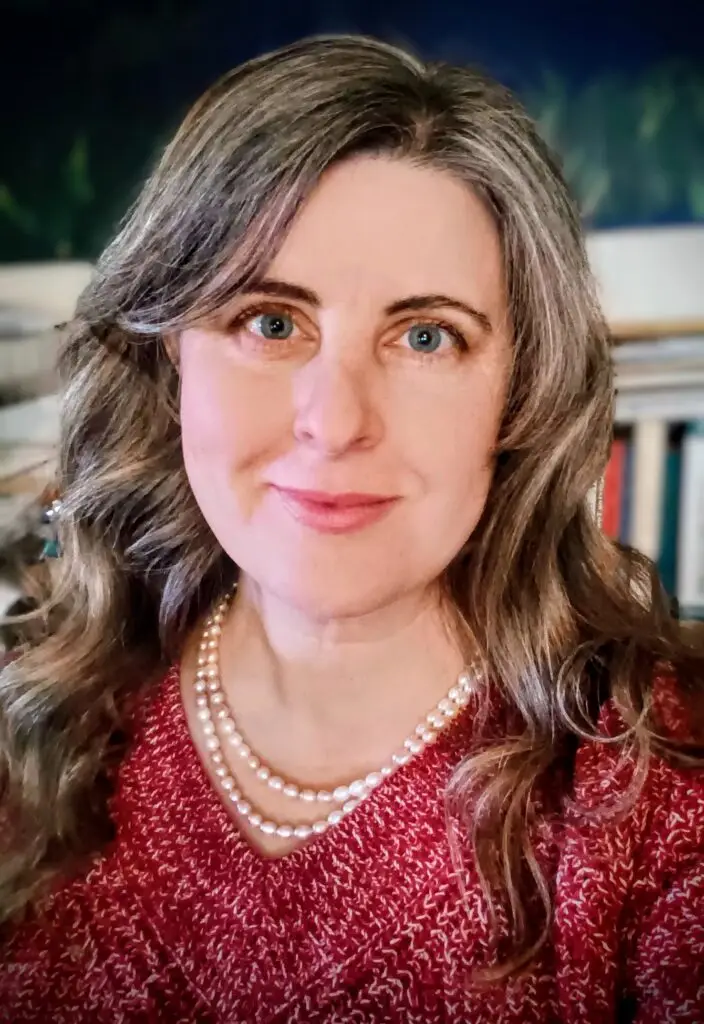
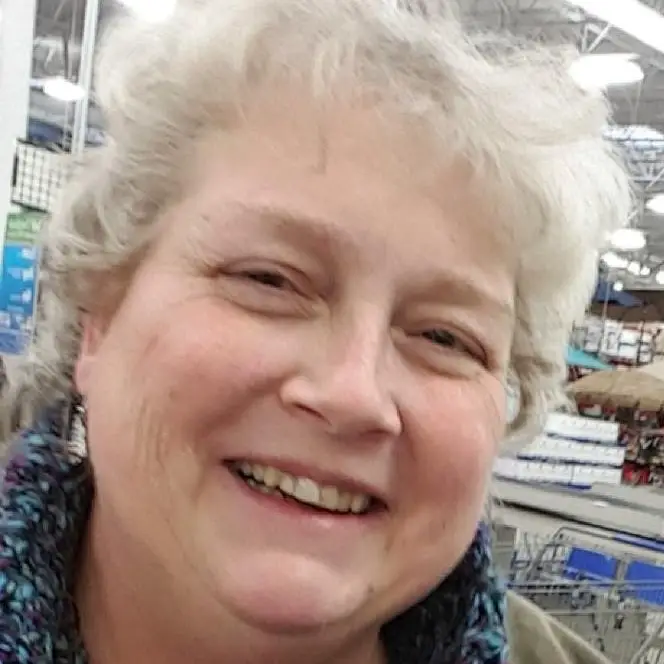
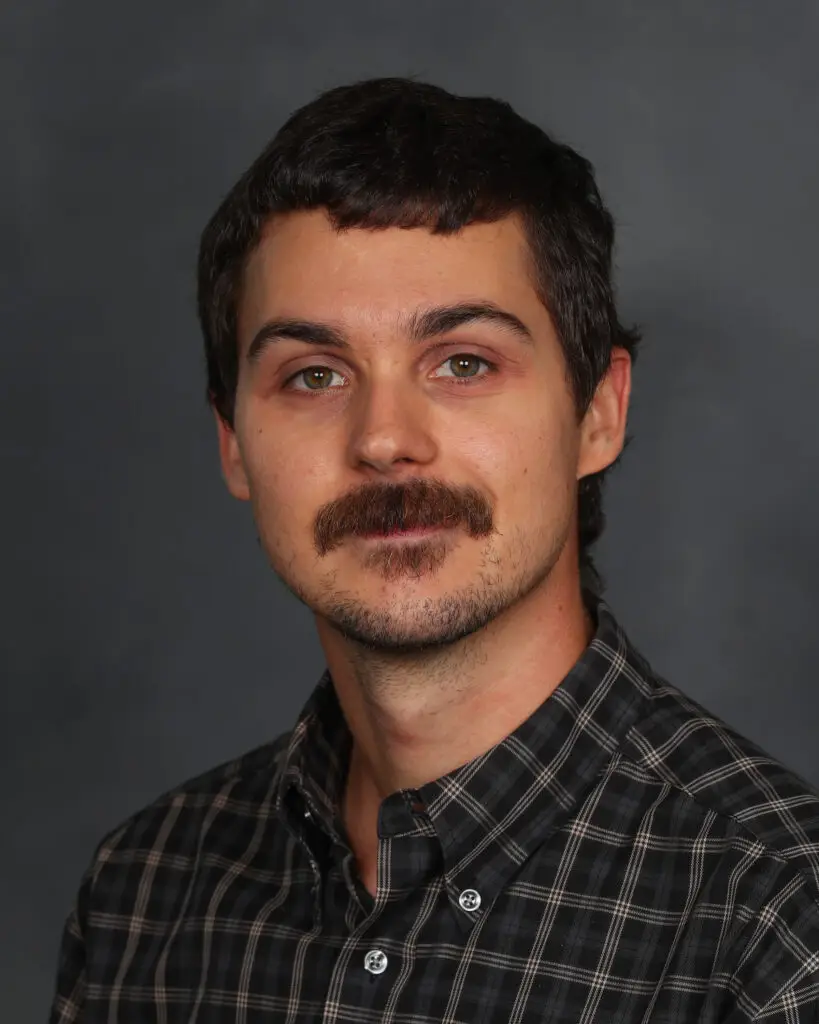


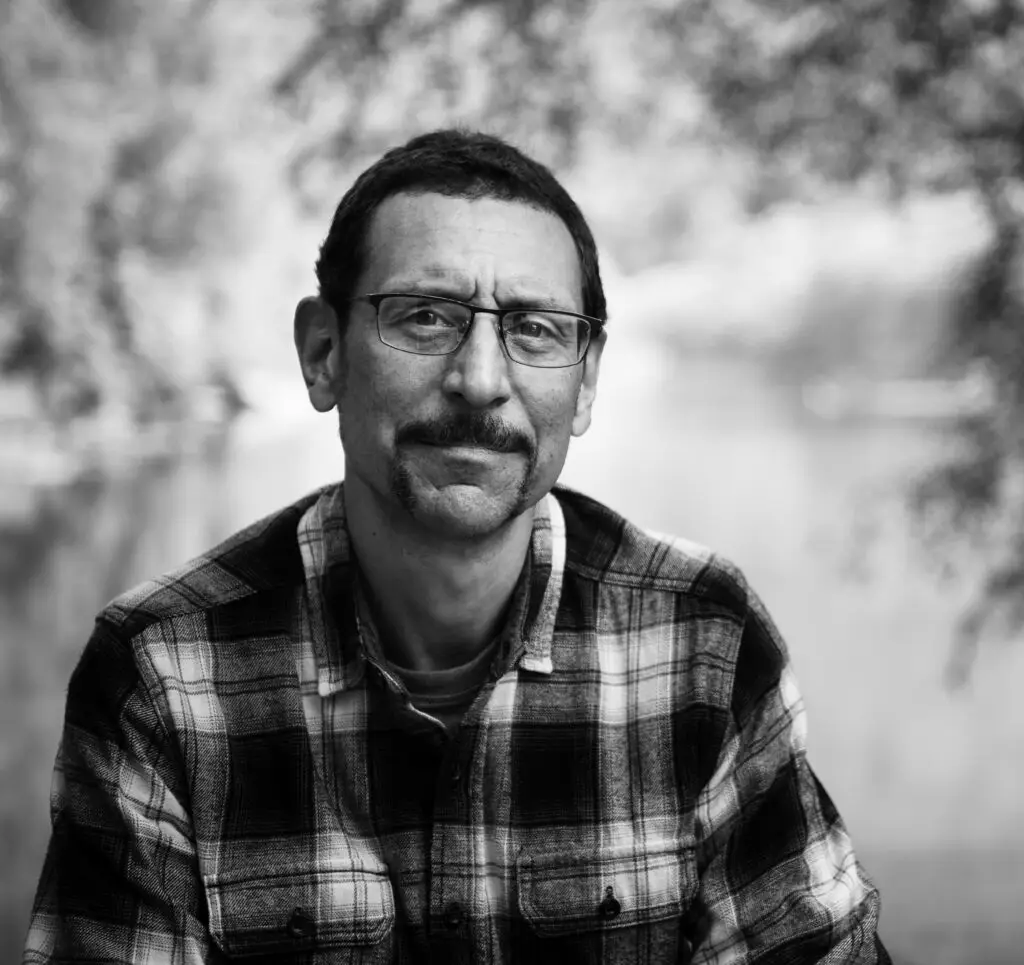
PJ Piccirillo twice won the Appalachian Writers Association Short Fiction Award. His books include the novel Heartwood (Middleton), the collection Nunc Stans—A Ferry Tale (Sunbury/Catamount), and The Indigo Scarf (Sunbury/Brown Posey), a novel which won Brown Posey’s 2019 SUNY Award. PJ is an adjunct English instructor and worked 19 years as a literary resident artist for the PA Council on the Arts. An advocate of the region’s under-recognized literature, he’s built a name for it by founding WCoNA and the Northern Appalachia Review, where he is chief editor. PJ holds an MFA from the University of Southern Maine. He is a township supervisor, EMT, fire department captain, NASCAR firefighter, sausage and wine maker, outdoorsman, and motorcycle enthusiast.
- Nunc Stans—A Ferry Tale (collection) - Sunbury/Catamount
- The Indigo Scarf (novel) - Sunbury/Brown Posey
- Heartwood (novel) - Middleton
- Northern Appalachia Review
My paternal grandfather, who was not born in this country, took his first job at 14, dynamiting sandstone boulders in the construction of what people in the Alleghenies call a high-tension line. He worked later in a tannery, soaking cattle hides in vats of a caustic liquor of lime, chicken manure and crushed hemlock bark. He gained and lost a lot of jobs until he finished with a demolition company, tearing away rail lines and razing old factories. He saw industry and mines and hand-to-mouth farms come and go. During the depression he’d boxed for bets in barns, and before that, played semi-pro football and got himself into many street fights because of things people called people who looked like him, and he smoked two packs a day and lived to 82 and I remember watching him snatch honeybees out of the air and squeeze them to death between his fingers and snuff his Winstons the same way, and he did these things because he’d never feared pain, not for some Hemingway Code, which he knew nothing about. This physically powerful man was incredibly tender to his wife and sons. He never missed a vote or a Sunday mass and fought fires to save peoples’ lives and homes. But those hands, mangled and missing the nails of several fingers and the tips of others, wrought the raw material and dismantled the factories that from this place fueled parts of America that care nothing for our little mountain towns and black forests, or our stories, nothing but what they can take. That grandfather, not to mention another of his ilk, and their wives, are to me, northern Appalachia.
PJ Piccirillo
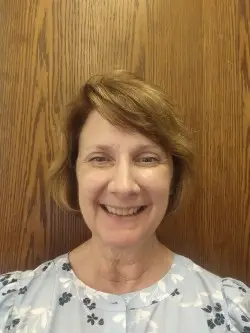
Laurie Piccirillo is one of the founding members of WCoNA. She was a public auditor in Pittsburgh for 12 years before moving back to her hometown in 2001 and taking her current position as the Business Manager of the Brockway Area School District. Laurie lives in Brockport, PA, with her husband PJ and three sons. She enjoys reading and spending time with her family.
Kimberly McElhatten directs the WCoNA Book of the Year. She’s also a poet with work in South 85, Red Branch Review, Anti-Heroin Chic, Bridge Lit, Loyalhanna Review, Unlost, and Touchstone Magazine, where she won the 2026 Spring Pop Up Poetry Prize.
She’s on the editing teams at Brevity and Fourth River, the lead content strategist for Great Things LLC, and an editorial consultant for Exploring Judaism. Kimberly is a past participant of the Tupelo Press 30/30 Project and the Fallingwater Residency in Nature and Place-Based Writing. She’s the editor of the forthcoming anthology Ambition in the Mountains: Northern Appalachia and the Making of the Gilded Age (Catamount Press).
Poetry Published In
- South 85
- Red Branch Review
- Anti-Heroin Chic
- Bridge Lit
- Loyalhanna Review
- Unlost
- Touchstone Magazine
When I was eighteen, I left northwestern Pennsylvania for Penn State, traveling east on I-80 from the Allegheny Plateau. When we hit the Allegheny Front, I fell completely and instantly in love with northern Appalachia and her rolling green mountains in a way I hadn’t on the plateau. I fell for the way our mountains stir in me the same ineffable feeling great poetry does. It is the poetry of salamanders warming in my palm, mudpuppies slipping through my fingers, mussels nested between river stones in French Creek, dandelions and Queen Anne’s lace growing on moraines, and Amish variety stores tucked into the turns of back roads. It is also unemployment at twenty percent, abandoned factories, tornado sirens, logging, strip mining, retention ponds, and fracking wells. The poetry lives in the pressure, in the tension between these contrasts and contradictions. The same forces that folded and lifted our mountains and formed our plateau also shaped a people who know how to live inside the contradictions of beauty and extraction, grief and hope, ruin and return, and make something of it and despite it.
Kimberly McElhatten
Renee fell in love with writing by the age of eight and she still has her first original story that she wrote for the county fair that year. After dabbling in the more employable major of Natural Resources, she eventually gave in to her first love and graduated from Northland College with a BA in Creative Writing. She also fell in love with her now husband who has a profession that has moved them all over the US. Moving every few years (or months) to a new small town has given her a deep appreciation and understanding of the many micro-cultures throughout the nation, and loves learning how the history and geography of place affects those cultures. She found her way to West Virginia three years ago and it immediately felt like home. She is proud to be a Mountaineer adoptee and looks forward to maybe one day publishing all her writing that she has stuffed away throughout the years.
There is nowhere quite like northern Appalachia. It is not just the landscape of mountains and creeks and rivers, but the people and the communities that have grown up in the folds and valleys. People here are contrarily independent, and yet honest and humble. Too often, the problems of northern Appalachia are front and center–but that is because northern Appalachians don’t hide the issues away and pretend everything is perfect like so many other places. Because they aren’t “issues,” they are friends and family who need help. At the same time, we hear so little about the amazing talent that has come out of these hills, or the beautiful recreational areas, or the long history of arts and culture throughout the region. The people here are humble to a fault. We’re proud of what our communities produce, but feel there is no need to announce it to the world. It is this humble honesty that defines so much of who we are.
Renee LaCosse
Matthew Ussia is director of Duquesne University’s First Year Writing Program in spite of the fact that he got a C- in freshman writing and was rejected from Duquesne’s MA program. He is also an editor, podcaster, post-doom thereminist, softcore punk, postpunk backup singer, social media burnout, and sentient organic matter.
His first book, The Red Glass Cat, was published by Alien Buddha Press in 2021. His second book, also published by Alien Buddha Press, Saturday Night on Earth was published in 2025.
His writings have appeared in Mister Rogers and Philosophy, Future Humans in Fiction and Film, North of Oxford, MadSwirl, Trailer Park Quarterly, The Chiron Review, and Pittsburgh Quarterly among others. More information can be found at www.matthewussia.com.
Books Published
- The Red Glass Cat (Alien Buddha Press, 2021)
- Saturday Night on Earth (Alien Buddha Press, 2025)
Writings Appeared In
- Mister Rogers and Philosophy
- Future Humans in Fiction and Film
- North of Oxford
- MadSwirl
- Trailer Park Quarterly
- The Chiron Review
- Pittsburgh Quarterly
It’s memories of the two weeks every summer I spent at my grandma’s house in Johnstown and the day an arsonist tried to burn it down. It’s my chosen home and future burial site. It’s being enchanted by history and the feeling of being trapped by the past. It’s a familiar coziness and recurring frustrations. It’s a farmers’ market by a Dollar General. It’s springtime and decay. It’s a place I dream of leaving and know I’d miss forever if I did. It’s the truth that you cannot truly know a place without loving and hating it in equal measure.
Matthew Ussia
Debbie Reynolds is a writer, dreamer, and voracious reader who has always lived in the wilds of northern Pennsylvania. As an editor for Sunbury Press/Catamount Press (the NA imprint), she enjoys helping writers and learning about the history of northern Appalachia and its people. Debbie also does freelance editing, and travels and speaks at conferences and conventions.
Her first book, a memoir on autism titled Mending Shattered Dreams, is forthcoming from Sunbury Press. Debbie writes on the difficulties particular to rural areas involving health care access and services, and the unique and beautiful character of the region she calls home.
Editorial Roles
- Sunbury Press / Catamount Press, The NA Imprint
- Freelance Editing
Forthcoming Book
- Mending Shattered Dreams (Sunbury Press)
This place I love means family first of all, and family is not always blood. We take care of our own, and our neighbors as well. Character still matters, and a person is judged by deed, not word. We’re quick to lend a hand, and slow to ask for one. We’re very good at “making do.” Our practicality leads us to solutions, using what’s at hand, in ways that outsiders often don’t understand. We tend toward frugality, and that, combined with tenacity and ingenuity, create an odd beauty of patchwork and makeshift items, of deep history and tales of our place. As I explore the stories of my kin and neighbors, I hear again and again their strength, resiliency, and faith, of their sacrifice for others. When I was a child, my parents bought a set of encyclopedias for their four children. Times were hard, and I don’t know what they gave up so we could have those books. “Go look it up!” was something we heard a lot. I read everything I could get my hands on. Self-education, and passing knowledge from one generation to another, is respected here. I come from a long line of oral storytellers, and I’ve written stories all my life.
Debbie Reynolds
Lora Zill grew up in Clearfield County, Pennsylvania and lives in Conneaut Lake. She taught writing and critical analysis at Gannon University and creative writing for Allegheny College’s arts programs for gifted students for many years. She is a teaching artist with the Pennsylvania Council on the Arts and speaks at writing, education, and arts conferences. She edits and publishes the poetry journal Time Of Singing, and co-authored a chapter in Teaching Creatively, Teaching Creativity (Springer, 2013). Her poetry and non-fiction have been published widely. Lora has two children, three grands, and is owned by one cat.
Teaching
- Taught writing and critical analysis, Gannon University
- Taught creative writing, Allegheny College arts programs for gifted students
- Teaching artist, Pennsylvania Council on the Arts
Editorial & Publishing
- Editor and publisher, Time Of Singing (poetry journal)
- Teaching Creatively, Teaching Creativity (Springer, 2013), co-authored chapter
My aunt decorated the old outhouse for family reunions on her Clearfield County farm. She’d lay carpet squares and hang matching flowered wallpaper and a mirror. A kerosene lantern provided just enough light. A towel, basin, and nub of soap rested on an old wooden bench outside. The creaky door sounded about right for its age. I wrote about my reunion for Grit (“Celebrating Rural America Since 1882”) magazine years ago and the editor paid more for a photo of the outhouse than it was worth. Though I grew up in the Pennsylvania Wilds, my children and their families live in Pittsburgh. As they moved into and out of many different neighborhoods before they settled down, I learned to navigate ramps, bridges, turns, and odd intersections, and got lost. Now I have favorite bookstores and coffee shops scattered throughout the city. I love northern Appalachia. Here are my roots; these are my people. The ones who decorated outhouses and farmed the land. The ones who ran coal companies, worked in steel mills, and sang in the church choir. The ones who raised children and made sure those in need weren’t forgotten. Lord willing, I’ll be buried here. In my land.
Lora Zill
Bob Craven is a poet, musician, and educator from western Pennsylvania. Having studied at Westminster College, Duquesne University, and the University of Oregon, Bob is a nationally endowed literary scholar and an experienced college teacher dedicated to regional writing.
He has volunteered as a Director at the Writers Conference of Northern Appalachia since 2023, and is a regular contributor to WCoNA’s writers conferences and its Book of the Year award selection committee. He currently serves as the Assistant Poetry Editor for the Northern Appalachia Review and, since 2022, as Assistant Professor of English at Westminster College in New Wilmington, PA.
Studied At
- Westminster College
- Duquesne University
- University of Oregon
Experience
- Director, volunteer since 2023
- Regular contributor, writers conferences
- Book of the Year selection committee
- Assistant Poetry Editor, Northern Appalachia Review
- Assistant Professor of English, Westminster College (since 2022)
My family background led me to an interest in working-class Appalachian culture, as seen from environmental and historical perspectives. My family comes from the history of coal, timbering, steel, and construction in Western Pennsylvania and West Virginia. In my work I study American literature and culture, but because of my family background I am naturally most interested in what makes our experience here in northern Appalachia unique. It is truly worthwhile to study a history that your people lived through—like the history of mining, the cutting of the Appalachian Forest, the arrival of plumbing and electrification and roads to our area, the ways the World Wars changed the lives of Appalachians. It is meaningful to look at this past through the rich stream of folklore, music, and literature born out of this region. There is a book of Appalachia’s economic history—Ramp Hollow: the Ordeal of Appalachia by Steven Stoll—that really changed my understanding of what happened here over the past three centuries. It is a very readable work of history, too, with a broad vision and a humane sensibility. Northern Appalachia—its people, history and landscapes—has its own uniqueness. Appalachia as a whole is tied to rural life and the power of the natural world, which Appalachians commonly viewed as being closely tied to the land, to agrarianism, and to rural freedom. But one thing that makes northern Appalachia distinct from central and southern Appalachia is our added legacy of heavy industry, for example iron, charcoal, steel, oil, gas, manufacturing, a legacy cutting across and through this agrarian sense. We here are Rust Belters and Appalachians (and maybe Midwesterners, too: northern Appalachia is something of a crossroads). The rusty legacy of industry is everywhere up here in the Alleghenies, but is muss less prevalent than in, say, the Blue Ridge, the Cumberland, the Smokeys, or the Shenandoah. You walk in the woods here in western Pennsylvania, and what are you going to find? Old kilns, drills, pumps, and derricks, old furnaces, old tailings, abandoned machinery. This mixture of rurality and industry fascinates me. Some of our writers bring these complexities to the fore. I work with WCONA and the northern Appalachia Review because, fundamentally, we have to work together to bring visibility to the northern Appalachian literary movement today. Writers from places New York City have much more visibility marketing resources, and opportunity for publication than writers from here. On the other hand I admire many of our region’s writers—including those I will see at Writers in the Woods this month—for expressing an alternative regional perspective.
Bob Craven
WCoNA runs entirely on volunteers, and we have a variety of positions open right now! Join us in helping northern Appalachian literature thrive.
Your donation goes toward helping us keep the costs of our conferences and other writers’ services affordable. Help us grow the canon of northern Appalachia.
Tiers for every budget with perks spelled out on one page. Put your organization in the room where the region’s writers gather each year.