Joshua Penrod
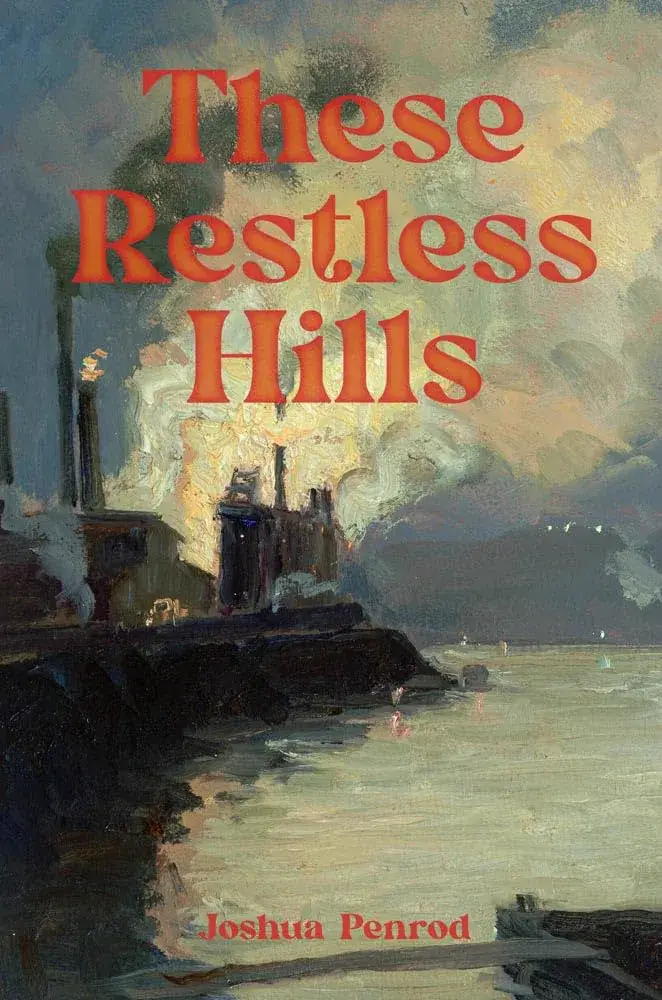
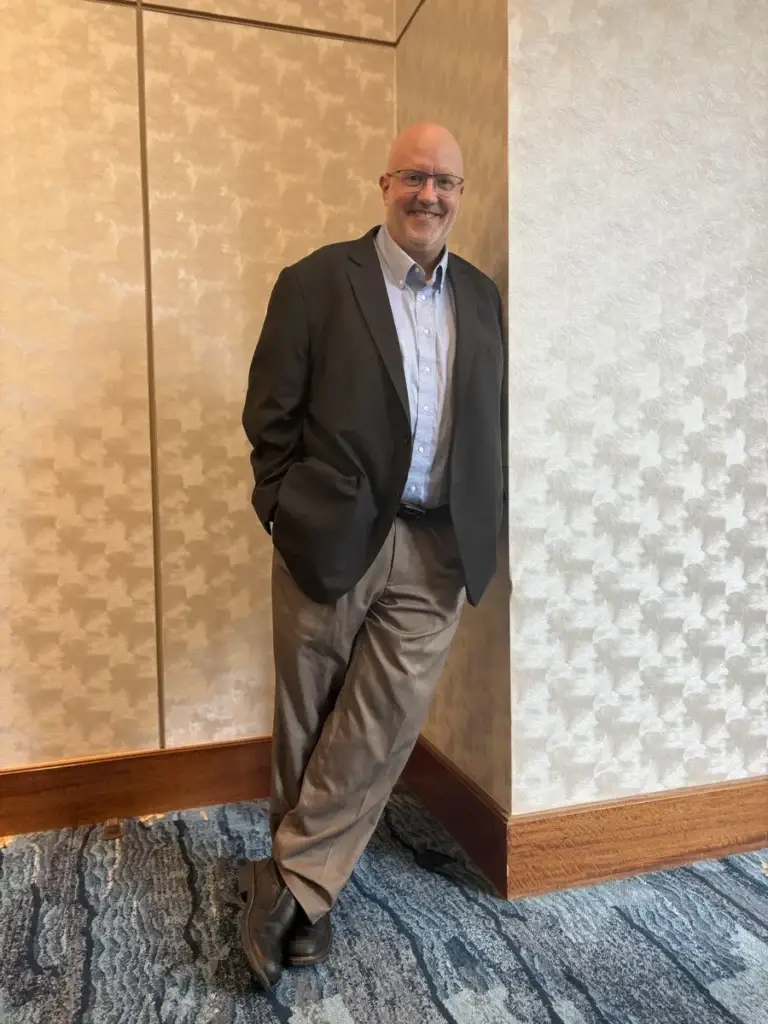
Joshua Penrod is a writer, historian, and native of western Pennsylvania whose work explores the region’s industrial past, landscapes, and people. He is the author of the historical novel These Restless Hills, as well as Johnstown Industry and Johnstown Waters, and his essays have appeared in the Northern Appalachia Review and Loyalhanna Review. He holds a PhD from Virginia Tech and graduate degrees in law, business, and environmental health. Outside his writing, Penrod is an executive in the biomedical sector and an adjunct professor teaching business and public administration. He lives in western Pennsylvania, where much of his writing is set.
Why write about northern Appalachia? What about its stories, characters, culture, questions, and landscapes inspire you?
For me – this is about a depth of understanding, combined with curiosity and a strong sense of place. I’m from the region and for a long time, it was just “home.” Warm, welcoming, and known…but not explored.
As I did a few other things in my life, especially in my career, I gradually awakened (or re-awakened) to the possibilities right here. I’ve done work now on local and regional history, the outdoors, and environmental stewardship.
I’ve come to register the region more and more in terms of its industrial history, cultural heritage, and natural beauty. The landscapes are impossibly ancient. The people made and continue to make a complex tapestry, from the very beginnings of colonial legacy, waves of immigration, heavy industry, environmental damage and awareness, conflicting politics and tradition – it’s just such a wonderfully deep and rich culture that matches the topography in terms of its complexity and vibrancy. Some of that is hidden, necessarily so, but so much of it also needs to be seen and understood.
What is the place of northern Appalachia writing in our country’s broader landscape of literature?
Northern Appalachia is undoubtedly a region with a singular identity. It certainly possesses commonality with the rest of Appalachia, but its Rust Belt character, harsher climate, and age all create a picture that sets it apart.
At the same time, it’s a completely American story: begun as a frontier, built by waves of immigration, economic booms and busts, a fascinating liminal area between heavy industry, agriculture, and wilderness. The coal mines and steel mills built the country; northern Appalachia’s sons and daughters fought and died in disproportionately high numbers in the nation’s wars.
The story of northern Appalachia is the story of America, since before its beginnings to the challenges that we all face today.
How did you come to realize you were a writer?
Probably from when I first held a crayon! Science and history have always been areas of deep interest for me, back when I was a small child and touring museums with my parents. I’ve always been an avid reader as well, and at some point, probably around the time I was 10 or 11 years old, they all kind of threaded together.
Writing has helped me across virtually every facet of my life, personally and professionally, and it’s not just because of the publications themselves. Writing helps structure thought and clarifies ideas and the expression of them. Being able to do that across my scholarly interests, my business and professional life, and the gratification that comes with being able to conceive, execute, and finish creative work, all meant that writing became ingrained in everything I do.
What’s helped you succeed as a writer?
Working with great editors and feedback from trusted readers who have obviously taken more than a cursory glance at the work. When one thinks of the age-old advice of “take it for what it’s worth,” nothing is more relevant.
If you have someone who is invested in the success of the work and you, they’re going to give you feedback…sometimes it includes elements you don’t want to hear. None of my work has ever been the worse for having been edited well, and it has always benefited from constructive and incisive thought and feedback from someone who “gets it.”