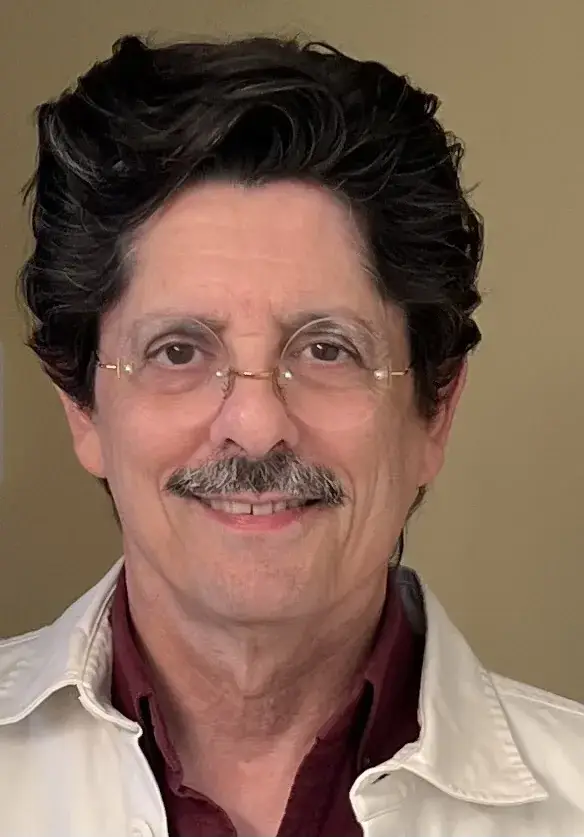
David Swerdlow
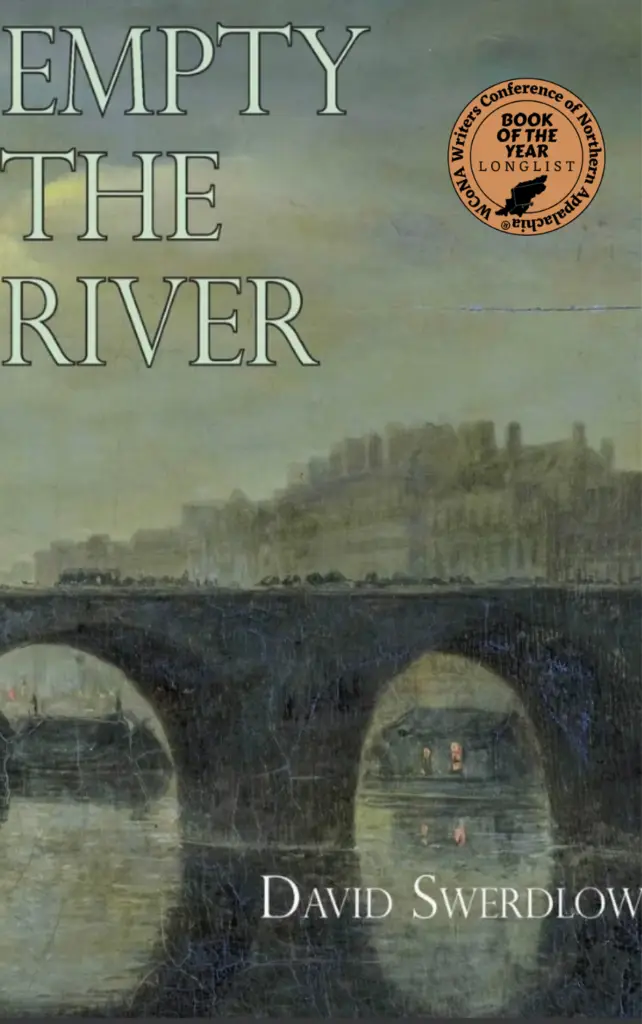
David Swerdlow is the author of one novel and four collections of poetry, including his most recent books, Nightstand and Empty the River, both published by Broadstone Books. His work has appeared in many distinguished publications, including Poetry, American Poetry Review, Iowa Review, Laurel Review, Ohio Review, West Branch, and Poetry Northwest. The recipient of several awards, Swerdlow has served as a director of The James Wright Poetry Festival, a Fulbright Professor of American Literature in Peru, as a National Endowment for the Humanities Fellow, and as visiting faculty on two Semester at Sea voyages. Since 1990, he has taught literature and creative writing at Westminster College in New Wilmington, Pennsylvania.
Why write about northern Appalachia? What about its stories, characters, culture, questions, and landscapes inspire you?
I see the people and landscape of Northern Appalachia struggling against forces that would erode their integrity and beauty. Every day, in the struggles I witness, I see the elements of tragedy, which reveals nobility. I strive to bring that earned nobility, that full dignity to the page.
What is the place of northern Appalachia writing in our country’s broader landscape of literature?
Northern Appalachian writing has substantial range. Nevertheless, whether it be crafted by August Wilson, James Wright, or even Annie Dillard as she writes about her childhood in Pittsburgh, the writing is unique in its celebration of dignity and defiance. It is deeply aware of the issues of class, race, and gender as it takes up the cause of justice. The writing of northern Appalachia works hard.
How did you come to realize you were a writer?
When I was nineteen, at the Smithsonian museum’s exhibition on sports in American history, I saw James Wright’s poem “Autumn Begins in Martins Ferry, Ohio” perched between a Heisman Trophy and a leather helmet. I read the poem and was stunned. I realized that I’d been writing in that vein for many years, even though I wasn’t calling it poetry. At that moment, I committed myself to the art.
What’s helped you succeed as a writer?
Good people, discipline, and risk-taking have been the key to my success. My father and my best teachers taught me to be a loving caretaker of the language. I do this work every day. I have never been afraid to try-out a new form of caretaking.