Natalie Sypolt
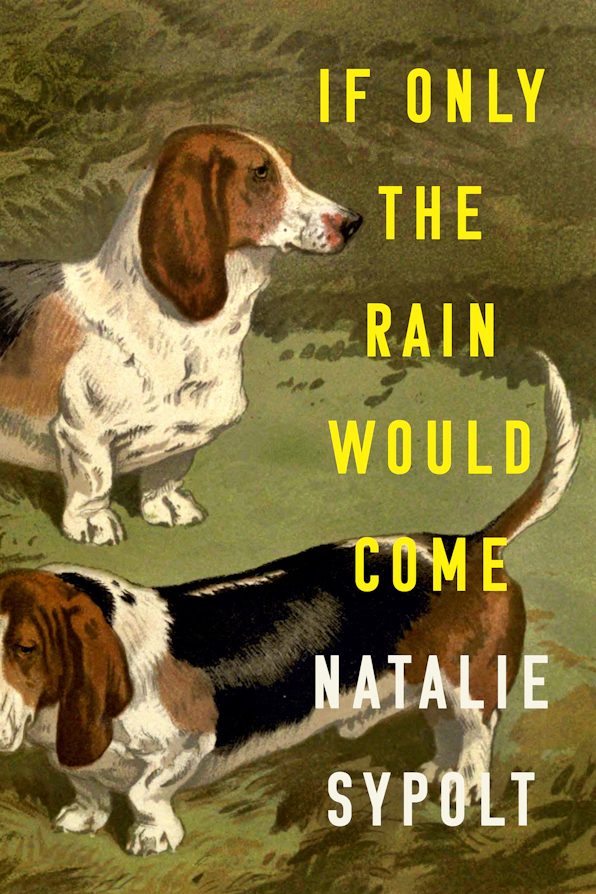
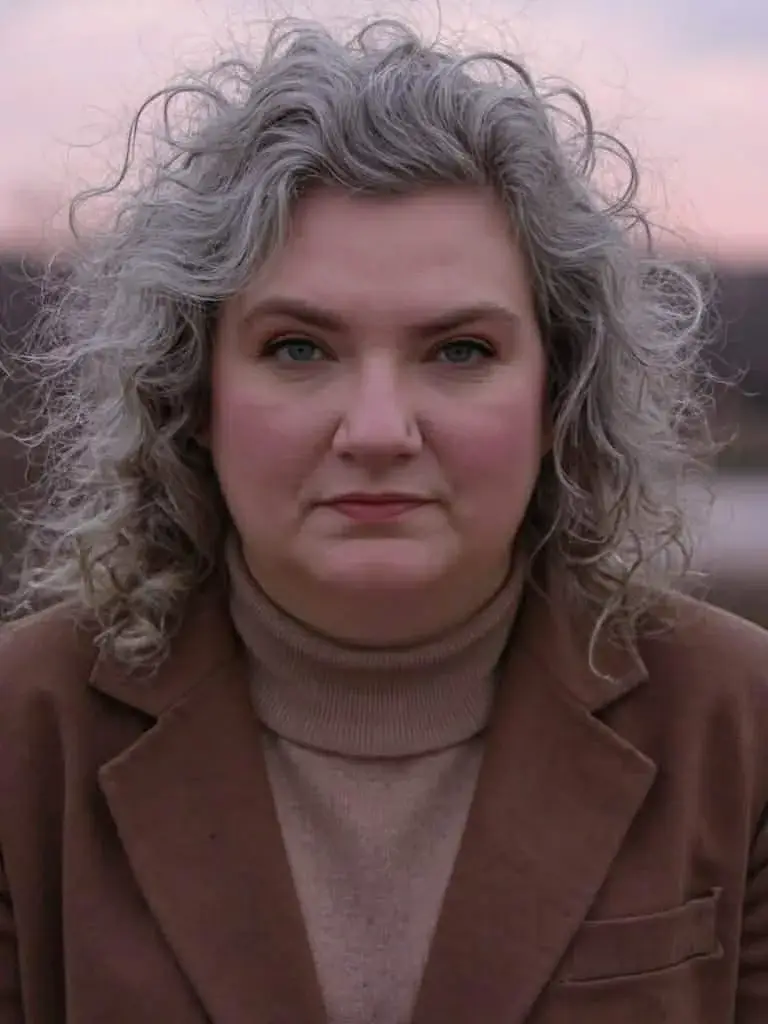
Natalie Sypolt lives and writes in West Virginia, on land her family has called home since before West Virginia was a state. She is the author of the novel-in-stories If Only the Rain Would Come (2026, University Press of Kentucky) and the short story collection The Sound of Holding Your Breath (2018, West Virginia University Press). Her work is rooted in the conviction that Appalachian people deserve to be written about with the same complexity, contradiction, and grace as anyone else, wherever they live and whoever they love. Natalie is the former President of the Appalachian Studies Association, has taught in the low-residency MFA program at West Virginia Wesleyan College, and is a Professor of English at Pierpont Community & Technical College. She is also co-founder of Fern & Ink Retreats.
Why write about northern Appalachia? What about its stories, characters, culture, questions, and landscapes inspire you?
I am a native of Northcentral West Virginia, and there is no place else I either want to or could write about other than my home. The place is embedded in me (as much as I am in it) and it is only natural for me to write about the people I see every day, the place where I grew up, and the stories I know, be that for better or for worse.
What is the place of northern Appalachia writing in our country’s broader landscape of literature?
I once read an interview with Appalachian writer Silas House, and he said that Appalachia is a micro chasm of the rest of the world, and I believe that. What happens here, happens everywhere, but we’re under a microscope so it might not always seem that way. Or it happens here first—like folks realizing how dangerous some forms of extractive economies can be. Not only that, but this part of the country—through mining, steel, and other industry—has long been responsible for fueling the country, and so the stories here are unique and important.
How did you come to realize you were a writer?
I’ve loved storytelling my whole life. My grandfather used to take me on rides and tell me stories. I was also an avid player of Barbie dolls. My dolls had elaborate stories of love and love gone wrong. Eventually, as I got older, I was less interested in the dolls and more interested in the stories, so I started I had also learned what a synopsis was, so I started writing synopses down to “play later” though that never usually happened. Finally, in fifth grade, I wrote a story and my teacher turned it in for local young writers conference. I placed second and it was all over for me.
What’s helped you succeed as a writer?
I think that having a family of storytellers has been instrumental to my writing life. Appalachians are very good at remembering and sharing family stories from way back (and maybe also embellishing them a little too). I also have had a very supportive family that doesn’t always understand me or what I’m doing, but has never told me to stop, as well as a tribe of great friends. I also have a wonderful group of women writers who surround me with support and advice, and I try to return the favor.
This is a tricky question to answer, though, because what is “success” and who determines that. For sure, in some circles, publishing a book is a sign of success, but in others, not publishing a bestseller means you’re not a success. So, I don’t know. I think success is determined by the next project.