AJ Wright
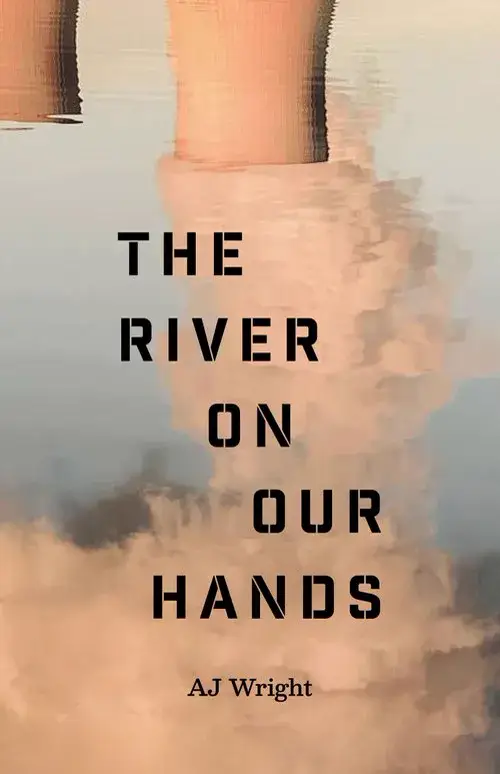
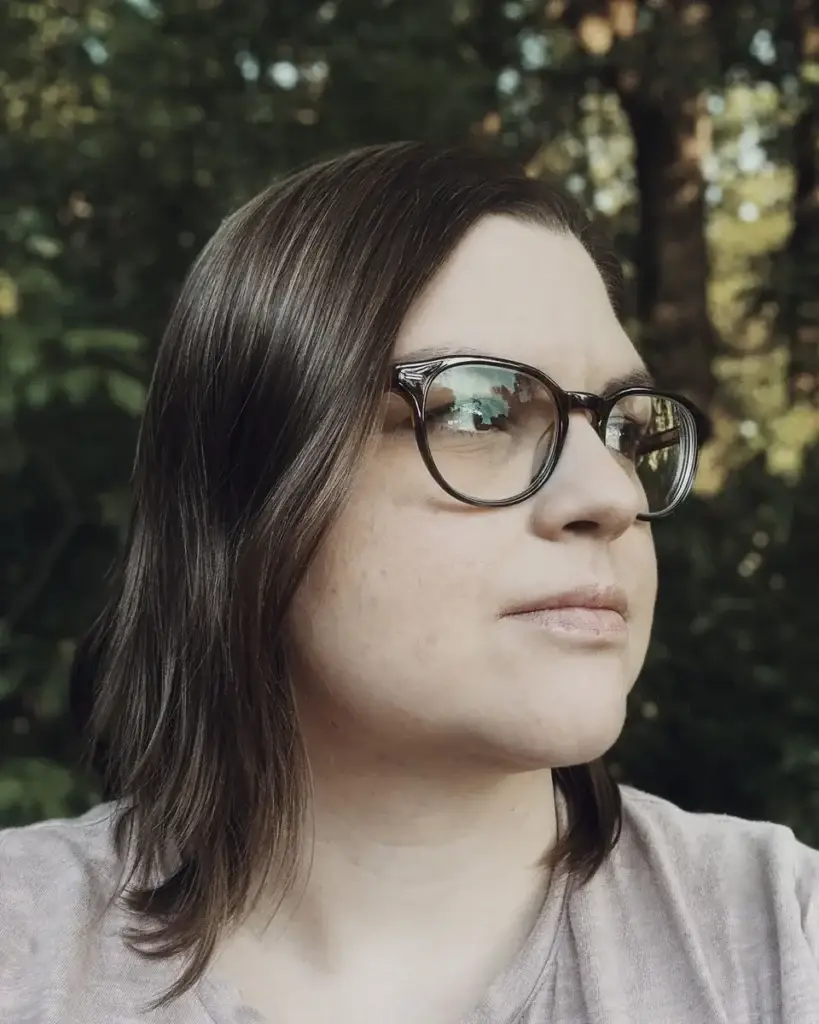
AJ Wright is a Best of the Net–nominated writer from Appalachia whose work appears or is forthcoming in Peatsmoke Journal, The Stonecoast Review, APARTMENT Poetry, The Garlic Press, and elsewhere. Her first book, The River on Our Hands, was released by Pulley Press in 2026, and her second is forthcoming from Tulipwood Books.
Why write about northern Appalachia? What about its stories, characters, culture, questions, and landscapes inspire you?
Growing up, I didn’t see a lot about Appalachia in the books I read or the movies I watched, and I certainly didn’t come across much work about northern Appalachia specifically. I didn’t really notice that lack until I’d left the area and found myself in workshops with people who had ideas about my home that had very little to do with what I knew to be reality.
I saw the opening, and I took advantage of it. I decided to write poetry focused on the Ohio River Valley region of West Virginia because there was an opportunity to widen the narrative to include places that aren’t necessarily all mountains and mining.
Our histories and identities are shaped by that difference, by the river and the industries that grew up around it, and the ways we live with the landscape and our neighbors. I wanted to make room for those stories, too.
What is the place of northern Appalachia writing in our country’s broader landscape of literature?
Writing from northern Appalachia offers a way of complicating our ideas about both Appalachia and the country as a whole. Appalachia isn’t a monolith, and regional writing can challenge the assumptions we make about a place and open up questions that extend beyond its borders and invite readers to encounter the people who live there on their own terms. Northern Appalachian writing doesn’t need to justify its relevance to the rest of the country to earn a spot in the literary conversation.
How did you come to realize you were a writer?
I was very much an “indoor hobbies” kind of kid, and while I did well enough in school, I didn’t find the writing I did in class very fulfilling. I always had a notebook on hand. At lunch or between classes, I circulated the little stories I wrote in it around a friend group that seemed genuinely interested in reading them. Looking back now, I think writing gave me a way to stay engaged in a moment that didn’t otherwise feel very engaging.
What’s helped you succeed as a writer?
I had a lot of support early on. My parents drove me to a workshop that met in the library in the closest big town while I was still in high school, and no one whose opinion meant anything to me ever tried to convince me to focus on something more stereotypically productive. I think a lot of writers come up against the belief that they should be interested in, say, getting a business degree, but that wasn’t something I ever struggled with. My family knew that writing made me happy, my professors convinced me that I was pretty okay at it, and not writing for any extended period of time left me feeling rudderless.