Why write about northern Appalachia? What about its stories, characters, culture, questions, and landscapes inspires you?
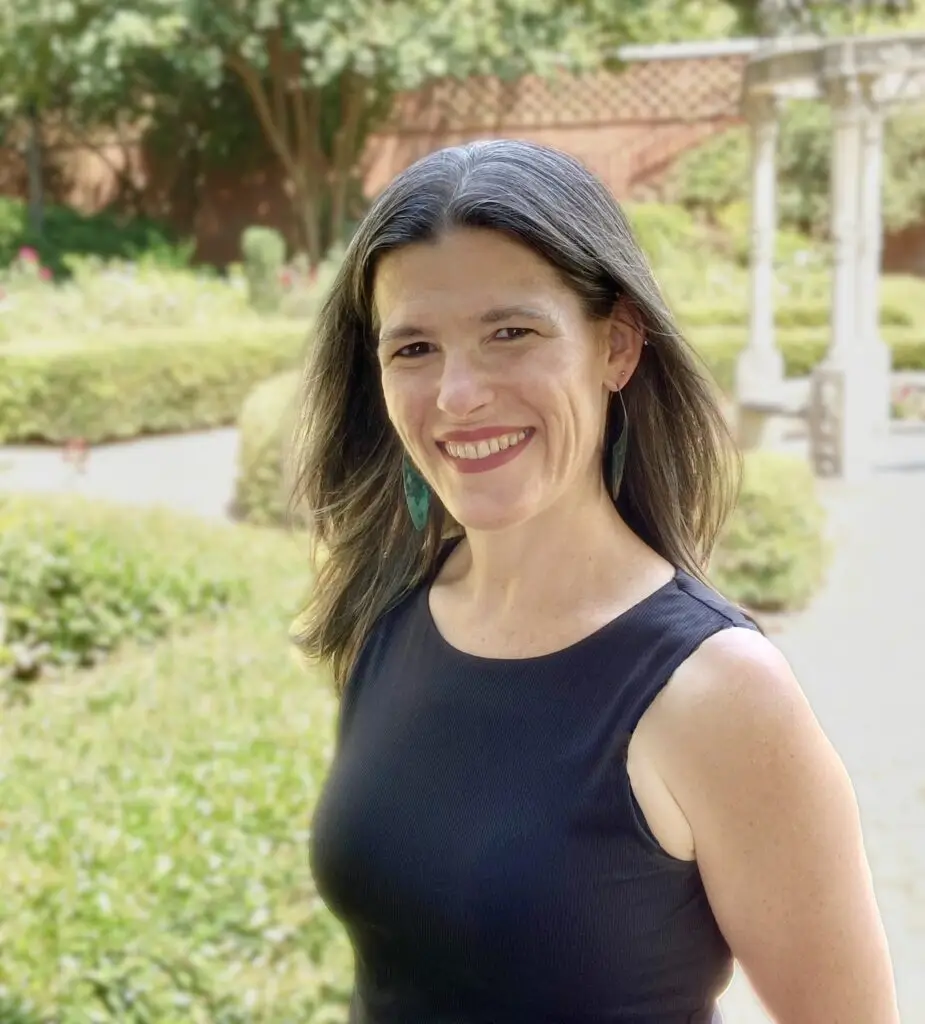
I was born and raised in Mannington, West Virginia, and parents, brothers, and extended family still live in the region. I bring my husband and kids to visit twice a year, and while I haven't lived there for over half my life now, the region will always be home.
What is the place of northern Appalachian writing in our country's broader landscape of literature?
Appalachia is othered in so many ways, but I think literature can work to correct that perception. By placing northern Appalachia into the larger culture, we can create a literature of place that is inclusive rather than exclusive.
Look at the amazing work we have coming out of the region and how it portrays the region as having its own responses to issues that plague our nation. Look at Sherrie Flick's Homing and how northern Appalachia is one region amongst many. That's the power of literature.
How did you come to realize you are a writer?
When I was eight, a story I wrote won third place in a county-wide writing contest. I still have a copy of the winning stories, and I keep the book with all of my old writing. My story is hilarious to read today, but that was the first time I realized I could be a writer.
Since then, it's been about getting my butt in the seat each day. That was harder when I was younger, but now I'm pretty good about driving my son to daycare and then taking the time to work on the next book. That's what makes us all writers–sitting down and doing the work. The rest is just icing on the cake.
What has helped you succeed as a writer?
Community. Full stop. I feel lifted by the community of writers I'm a part of. I attend the Appalachian Studies Association Conference each year. I try to attend the Association of Writers and Writing Programs each year. And whenever I do a reading or visit a school or sit in a workshop, it's always about the people around me. My favorite writers lift each other up, and I hope I lift others as much as they lift me.
WCoNA is working to establish a canon of northern Appalachian literature. What do you think that should look like?
A canon of northern Appalachia is inclusive. It allows for different versions of place–even ones that contradict one another–that create a rich tapestry of the region.
Ten or so years ago, before publication of her wildly successful Even as We Breathe, Annette Saunooke Clapsaddle visited a fiction writing class I was teaching. She said that she had trouble placing her novel because people told her she wasn't the sort of Cherokee publishers and readers expected, even as she's an enrolled citizen of the Eastern Band of Cherokee Indians.
I never want anyone to hear that they aren't the "right kind" of northern Appalachian. Instead, a canon should invite people in and allow their stories to broaden our understanding of place.
How do you approach your art and craft in a way that honors the region's complexities and its unique characters, places, dialects, etc?
Outsiders to northern Appalachia often have a long history of hearing stereotypes about the region without knowing that those stereotypes are rooted in a complex reality. I always seek to lean into the complexities, and I do so through acknowledging that there's never one story in the region. There's rarely even one story in a given household.
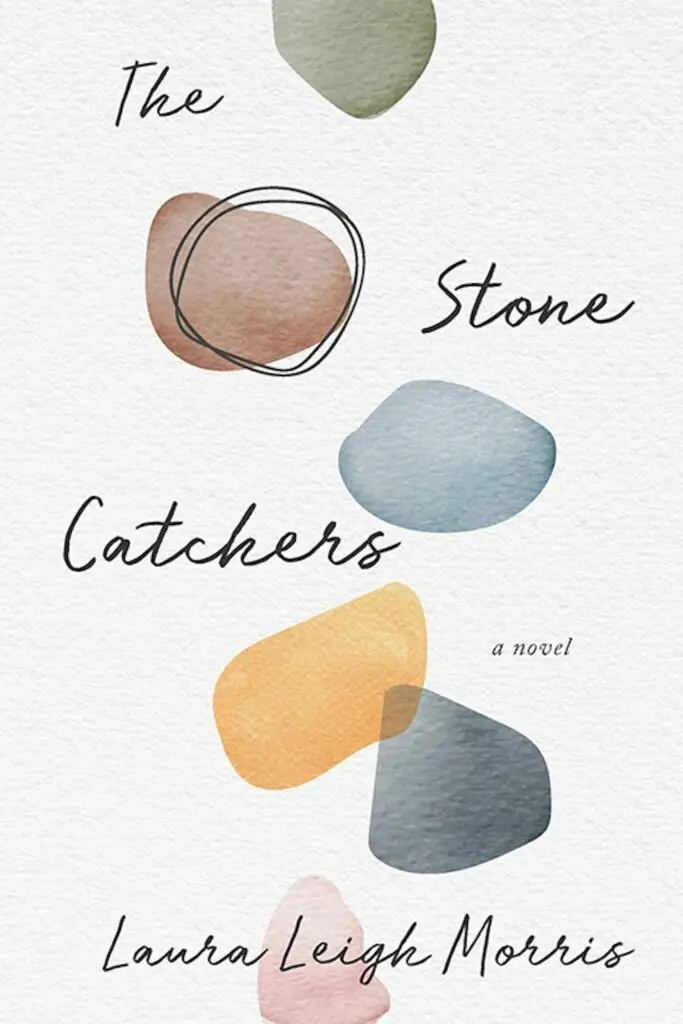
The characters in The Stone Catchers and my other books are doing their best to live meaningful lives within a similar backdrop–but each of them is affected differently by the world around them. Through seeking to see the world through each character's eyes, I'm more fully able to show readers the fullness of the place that I see whenever I visit.
How does the spirit and essence of northern Appalachia inspire your writing? And this book specifically?
I grew up in north central West Virginia, and whenever I envision a story, it takes place there. The region has a history that I know well, and each time I visit, I feel like I am home again. There's a richness to northern Appalachia that is firmly tied to resource extraction and industries that are tied to it, and this richness finds its way into my writing.
While The Stone Catchers isn't about coal mining or fracking, the history of these industries lurks in Brickton and the people, which bleeds into the story. This is what I seek in writing the region–that it infuses the people and the decisions that make, just as northern Appalachia continues to be part of my own life.