Why edit books about northern Appalachia? What about its stories, characters, culture, questions, and landscapes inspires you?
Northern Appalachia has been my home for nearly a quarter of a century. I live along the Allegheny Front, and it is the wildness and fecundity of that space–the flora and fauna, the hurt spaces from extractive activity and the ongoing healing in those spaces–that I am drawn to.
What is the place of northern Appalachian writing in our country's broader landscape of literature?
Too often "regional" literature is overlooked or dismissed. I argue that there is only "regional" literature because all stories are told from specific places, with specific cultures and ecosystems. Northern Appalachia is unique and its stories are as worthy as any other region.
How did you come to realize you are an editor?
I began writing as an elementary student, working with a neighbor boy on the creation of comics. From that point on, I have worked to tell stories. Thankfully, there have been editors and publishers who care about the stories I tell and have been willing to publish them.
What has helped you succeed as an editor?
Devotion to the craft of writing and perseverance. I've never lost my love for the act of writing. It's something I do daily.
WCoNA is working to establish a canon of northern Appalachian literature. What do you think that should look like?
Like all canons, there is the risk of limiting what is part of northern Appalachia. I think it is important to cast the widest net, to hear the stories of as many people as possible, so a true representation of this region is celebrated and available to readers.
How do you approach your art and craft in a way that honors the region's complexities and its unique characters, places, dialects, etc?
Authentic writing demands that a writer attend to the lives around them. I work hard at learning the names of plants and trees and animals. I pay attention to the ways humans interact with the more-than-human world. I read histories of the places I write from and about. I ask questions of those who have lived in a place longer than I have.
I do my best to create fully realized characters on the page, challenging stereotypes, looking for the subtle differences within the region itself.
And I think all of this requires that I stay present, that I move beyond the self, the ego-driven desires, to see what is truly before me.
How does the spirit and essence of northern Appalachia inspire your editing? And this book specifically?
I write from the place where I live now along the Allegheny Front and where my relatives have lived for several hundred years in Virginia and Kentucky. My grandparents were poor subsistence farmers, and the natural world and its rhythms and gifts were important to their notion of the sacred. I have lived my life in the Rust Belt and witnessed the desecration of this sacred world.
All of my writing is about paying witness to this desecration–the ways it has harmed the land and all its citizens, human and other-than-human beings.
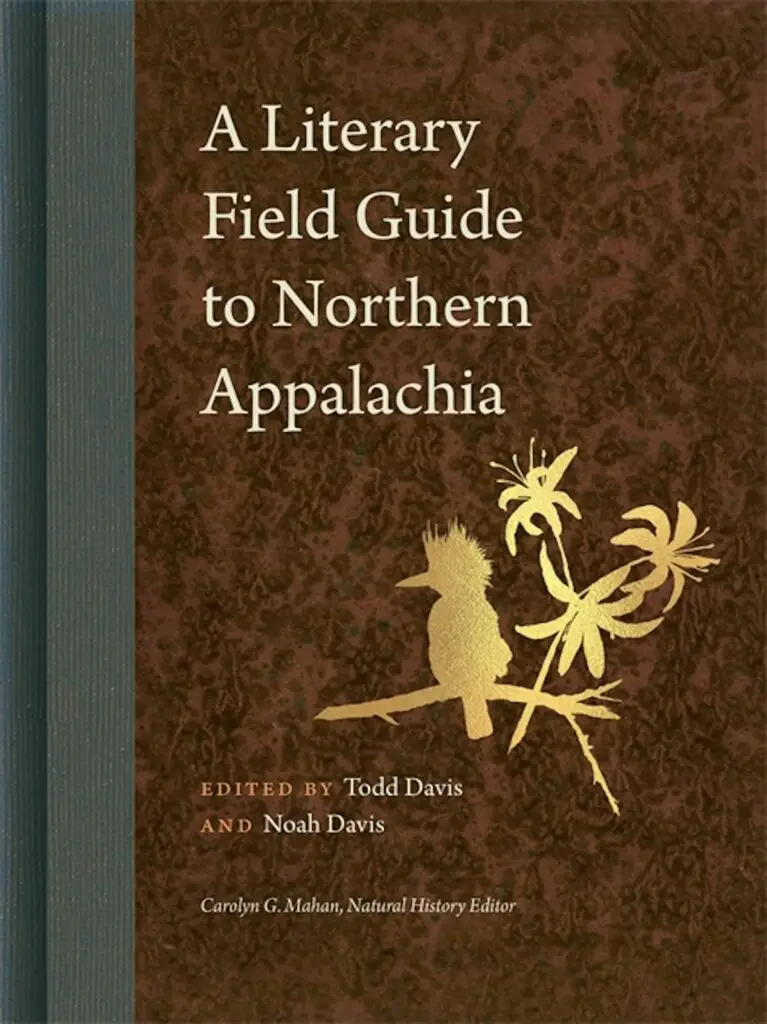
The editing project for A Literary Field Guide to Northern Appalachia was about celebration of other-than-human beings, focusing on 70 different species in Northern Appalachia, bringing to light their habits and habitats through visual art and poetry and natural history.