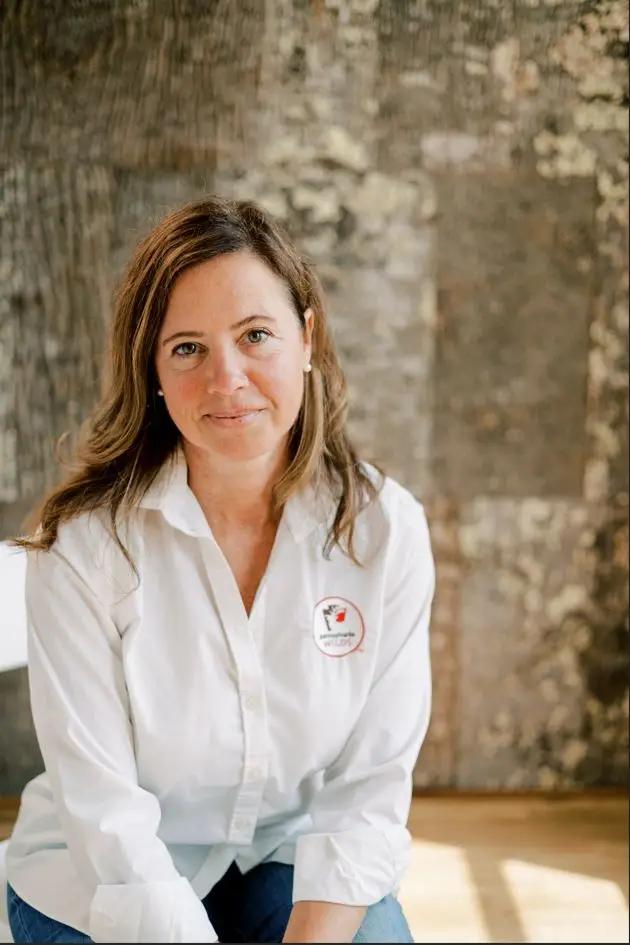
Tataboline Enos
Ta Enos is founder and CEO of a regional nonprofit that is helping to revitalize the rural Pennsylvania Wilds region through intentional outdoor recreation development. A fourth-generation native of Warren County, in the Pennsylvania Wilds, Ta has worked on the movement for close to two decades and loves what she does.
Prior to founding the nonprofit in 2013, Ta served as the PA Wilds Small Business Ombudsman for five years, helping rural entrepreneurs connect to resources and leverage the region’s public lands and growing visitation. Before that, she helped her sister build an outfitting business in the Pennsylvania Wilds.
Ta has been recognized nationally for being a practitioner on the cutting edge of rural development. She has a bachelor’s degree in Journalism and Public Communications from the University of Alaska Anchorage. Prior to moving home to Pennsylvania in 2006, she spent ten years as a news reporter and editor in Alaska, writing for the Anchorage Daily News, Anchorage Press, Dutch Harbor Fisherman, Bristol Bay Times and other publications, earning writing awards from the Alaska Press Club and the Society for Professional Journalists.
Why write about northern Appalachia? What about its stories, characters, culture, questions, and landscapes inspires you?
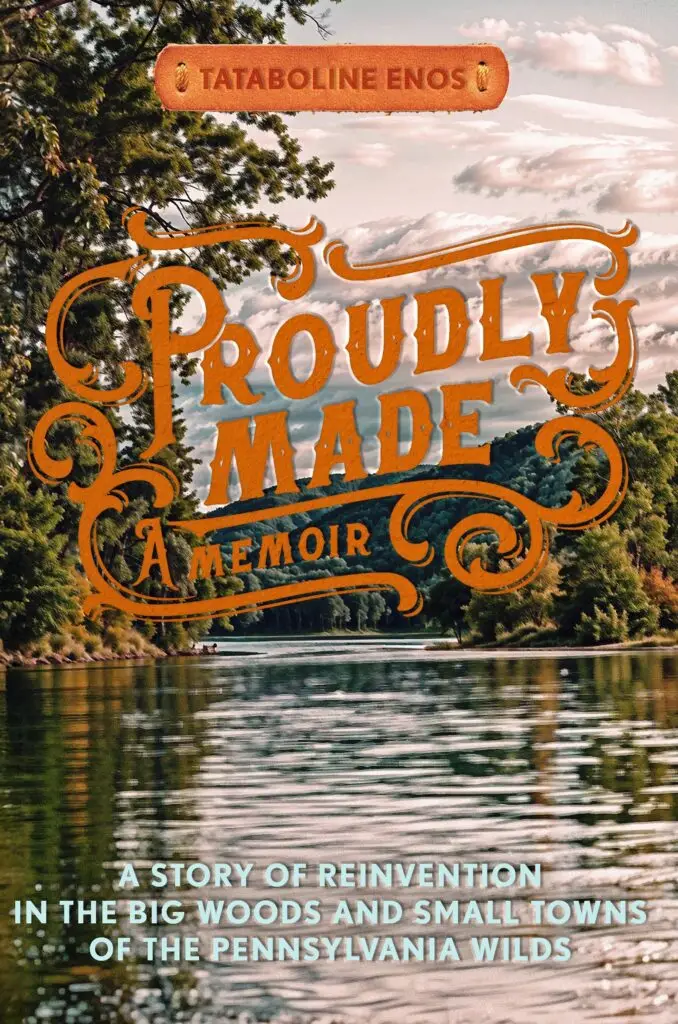
I write about northern Appalachia because it’s home — a place that shaped me and continues to teach me. I have a deep respect for the rural culture of working with your hands, am inspired by our region’s legacy of conservation and industrial innovation, and of course by its stunning natural landscape. In many ways, Proudly Made is my love letter to the region: a story about returning home and learning to lead in a place that’s often overlooked but rich with creativity, resilience, and hope.
What is the place of northern Appalachian writing in our country’s broader landscape of literature?
Narratives about a place are powerful things. Too often in rural America, and definitely in Appalachia, they are told by people from outside and through a lens that is often negative.
I think it is incredibly important to push back on those narratives with authentic stories and voices deeply rooted in place. Northern Appalachia has a unique sense of place and culture, with many of its rural areas shaped by topography and isolation, connection to land and craft, deep family and community roots, incredible biodiversity and a legacy of both industry and conservation.
Yet historically it has felt pretty invisible in regional and national narratives. I appreciate WCoNA’s efforts to change that. Writing from this region brings nuance and authenticity to the stories of working people, creative communities, and the ties between humans and nature, and people and place. I believe Northern Appalachian writing has the power to broaden how we see resilience and inclusion in modern America, and to provide hope about how we tackle pressing problems of the modern age.
How did you come to realize you are a writer?
I fell in love with letters and words and the idea of stitching them together at an early age — 10 maybe. Writing things down helped me think more deeply and make sense of the world. I found joy in the act of doing it, even if in the beginning much of what I wrote was awful. Still, for a long time, I didn’t really see myself as a writer.
I studied journalism in college, and spent a decade as a newspaper reporter in Alaska, covering stories on the road system, in Bush Alaska, and abroad. It was an adventurous and purposeful way to spend my twenties. I worked with some incredible editors at weekly and daily papers that were known as writer’s papers. I learned a lot from them and from the stable of talent they attracted and surrounded me with. That, and the sheer volume of writing you do at a daily paper, just forced me to get better and more disciplined about my writing. Long story short, any writing chops I have now, they were developed back then, and through reading great writing.
When I left journalism and moved home and got involved in the PA Wilds movement, I felt a growing responsibility to share what I was seeing in a book format. It was an incredible story that was unfolding, but in such a large rural region, with vast d
What has helped you succeed as a writer?
Encouragement from my family to not give up. Perseverance. Proudly Made took me about eight years to finish because I wrote it on the side while raising a family and building a rural nonprofit.
There were so many times I said to myself, next year I’ll have it done — often while sitting in my tree stand during hunting season, watching the woods wake up around me. And then the next year I’d be back in that same stand, a little further along but still saying the same thing.
It takes grit to see a book through, especially when you’re juggling real life. Last year, when I finally climbed back into that stand with the finished manuscript on its way to the world, I couldn’t stop smiling. However it continues to be received, I’m proud that I stuck it out and got it done.
Beyond that, I’ve learned that writing for me is deeply tied to community — to listening, learning, and believing that stories can make a difference.