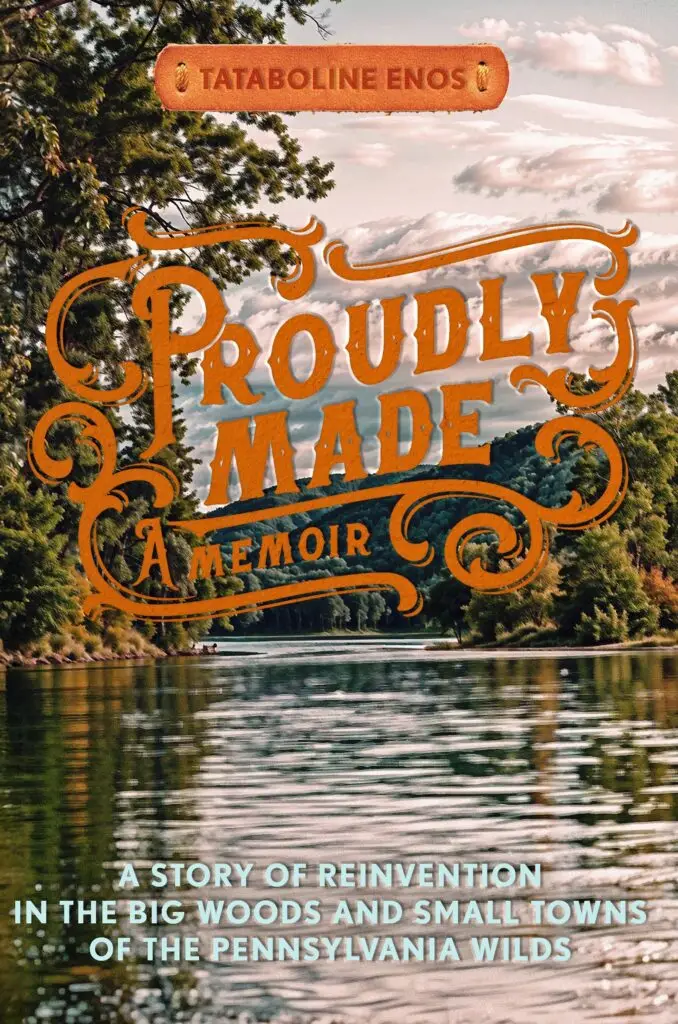
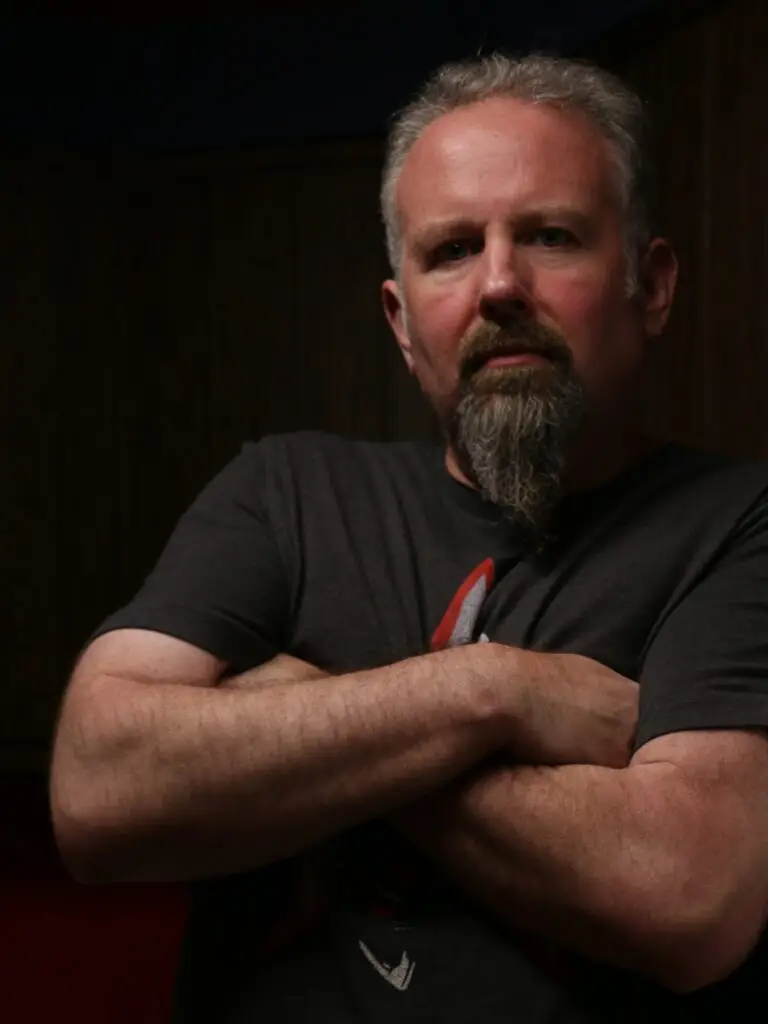
Why write about northern Appalachia? What about its stories, characters, culture, questions, and landscapes inspires you?
I write about Western Pennsylvania which usually gets excluded from the Northern Appalachia canon. There are a lot of books about Pittsburgh, but very few writers travel east.
I live seconds from an old Westinghouse factory. A couple miles down the road is Wilmerding where air brakes were invented. George Westinghouse made a castle for his workers at the edge of town.
Jeanette, straight down the road from my house, was the biggest glass producer in the world, and it's barely (or never mentioned) in literature. These towns house people who have been trying to better themselves through education for years while suffering the cost of education.
What is the place of northern Appalachian writing in our country's broader landscape of literature?
I dislike how tribal the world has become, that we have to argue about the importance between Northern Appalachian literature and Southern Appalachian literature. I love literature about work and people struggling with money, and the best Northern Appalachian literature talks about that in a way that other cultures talk about those things, but it's not supposed to be a competition.
So much of my learning about writers who came down from the mountains to write about work and the struggles of survival comes from reading writers from Morocco, like Mohammed Mrabet and Mohamed Choukri.
How did you come to realize you are a writer?
I wrote very bad rhyming poems inspired by rock lyrics when I was a kid. I'd give them to my girlfriends and hope they thought I was deep instead of a dumb football player or a brute. When I started reading contemporary late in college, my head flipped and I knew what I wanted to do with my life.
What has helped you succeed as a writer?
The ability to live without sleep. For years, I'd wake up at 4 in the morning so I could write before work. When I was in my 30s, with a couple kids, I'd skip a night's sleep to write then head to work, loaded up on caffeine and ephedrine. If you're working class or poor, you have to give up things to have time to write. I gave up sleep.